El equilibrio hormonal se nota en tu piel


No eres tú, son tus hormonas
Si tu piel se descontrola no es casualidad ni falta de constancia. El exceso de andrógenos, como la testosterona, puede favorecer la aparición de acné hormonal. La testosterona ordena a tu piel producir grasa que puede taponar el poro y generar el grano.

El estrés no lo causa, pero lo empeora
El cortisol es la hormona que se activa cuando tienes estrés. Es una respuesta natural y necesaria, pero cuando se mantiene elevado interfiere con el resto de tus hormonas empeorando, por ejemplo, tu acné hormonal. Por eso, abordar el desequilibrio hormonal y el estrés de forma conjunta es esencial.

Combina y vencerás
Cuidar de tus hormonas y de tu estrés no debería complicarte la vida.
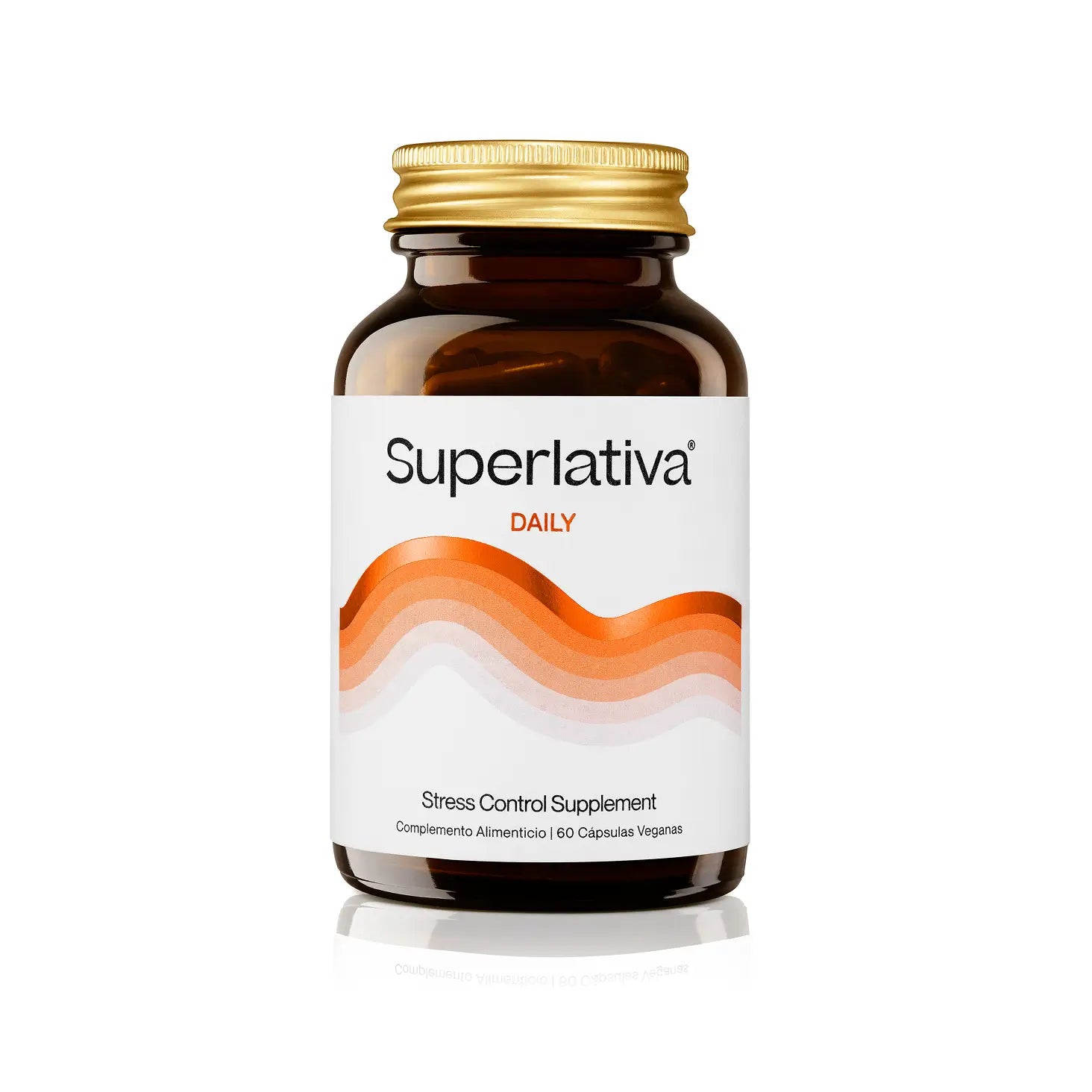
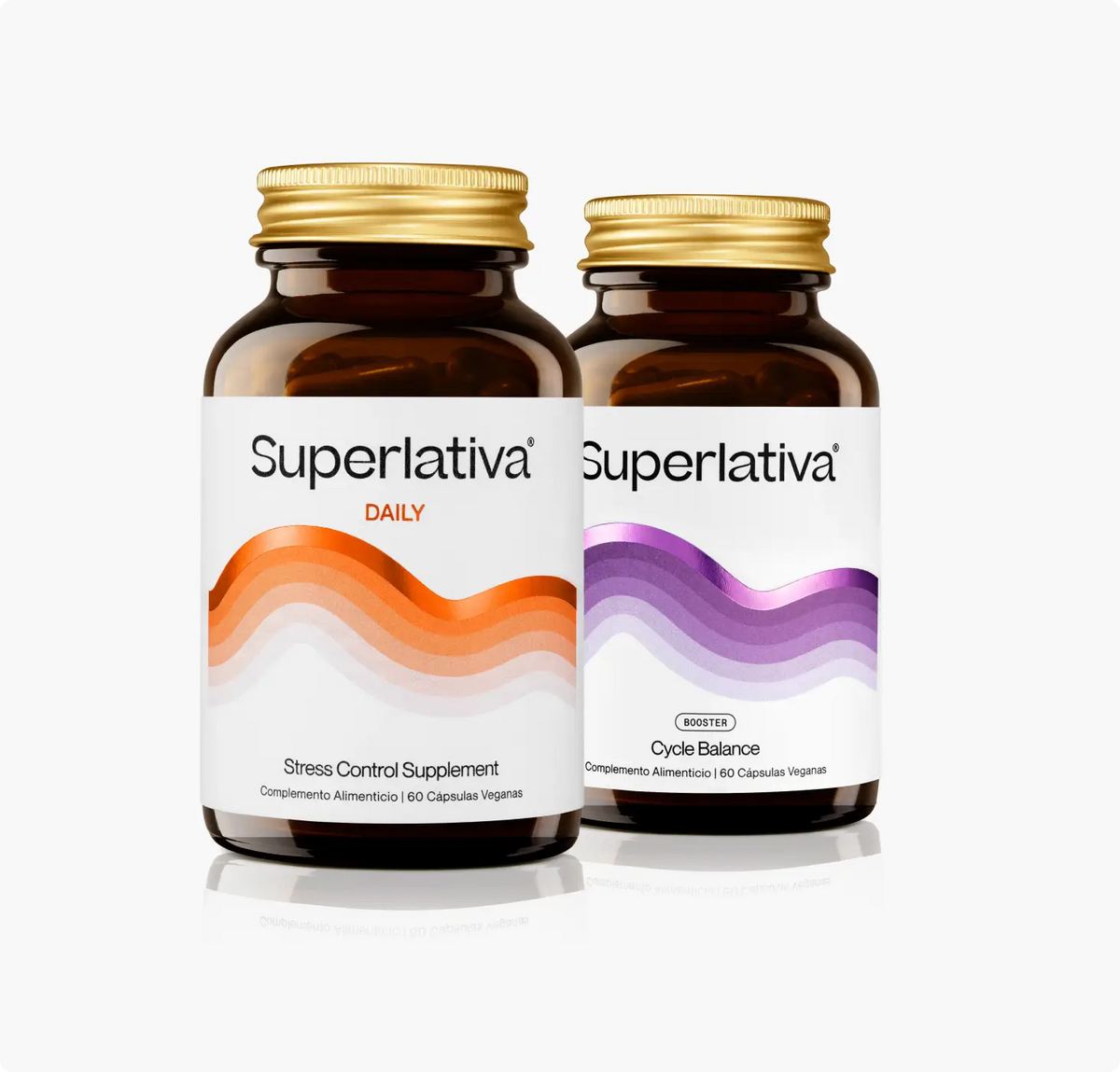
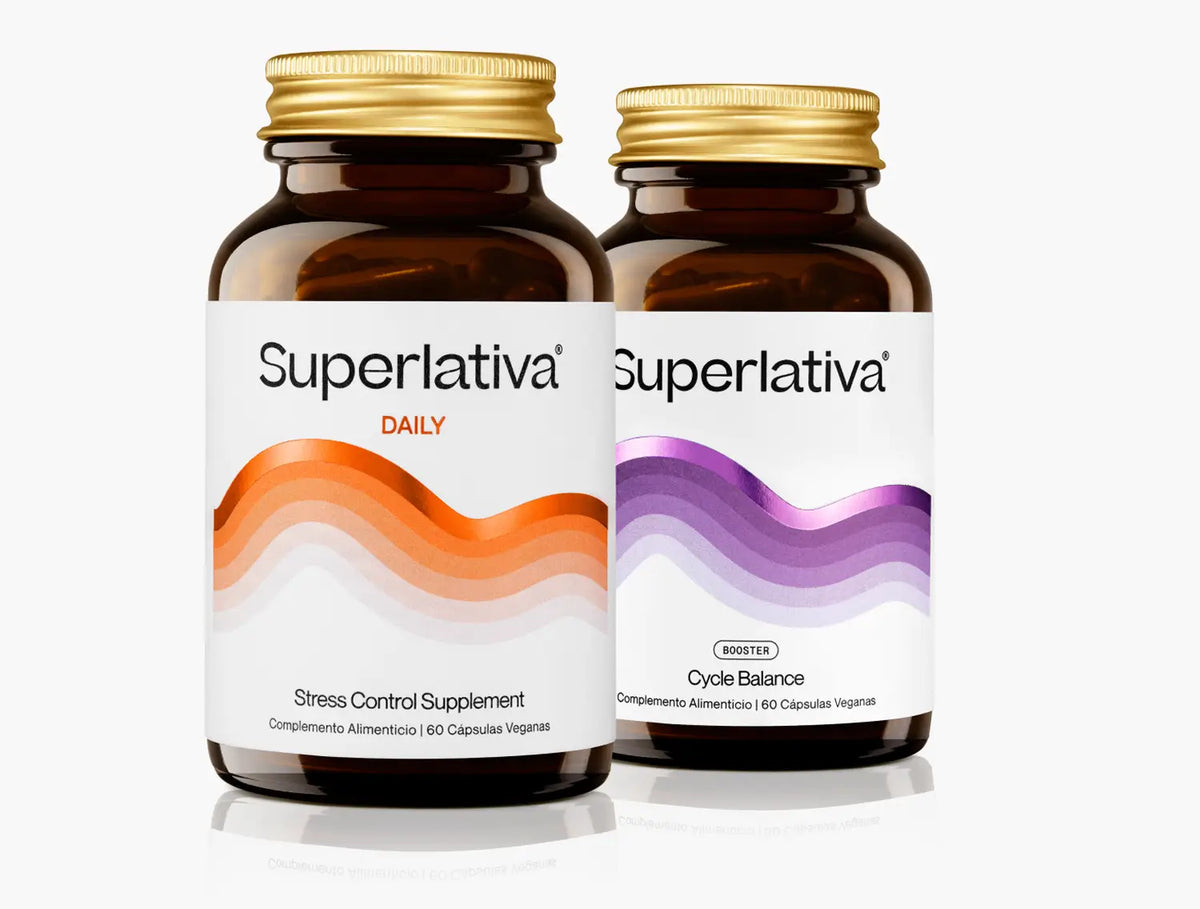
Female Balance Duo combina Superlativa Daily y Cycle Balance en una misma rutina para ayudar a regular tu cortisol y favorecer el equilibrio hormonal y el bienestar de tu piel a largo plazo.

Lo que tu piel (y tus hormonas) necesitan
Female Balance Duo reúne en un solo ritual el cuidado hormonal y la gestión del estrés: la ayuda completa que tu piel necesita. Dos fórmulas pensadas para tomarse juntas, en un mismo momento del día, hasta convertirse en tu hábito imprescindible.
Set Electra & Aphrodite



Lo que tu piel (y tus hormonas) necesitan
El desequilibrio hormonal puede favorecer la aparición de imperfecciones en la piel, y el estrés puede empeorarlas. Female Balance Duo combina Superlativa Daily y Cycle Balance en una misma rutina para ayudar a regular el estrés y favorecer el equilibrio hormonal y el bienestar de tu piel desde dentro.


Ana C.
Puedo asegurar que a mí me ha funcionado. Mi stress se ha reducido mucho, me encuentro menos cansada y un poco más concentrada. Estoy en la premenopausia y lo recomiendo.

M Angeles
Me han sentado fenomenal y vuelvo a comprar con suscripción mensual
Conchi M.
Llevo tomando Superlativa Daily y Cycle Balance desde hace 3 días. He de decir que estoy alucinando de cómo me encuentro. Las ganas con las que me levanto. No tener nada de pereza para realizar cosas. Eso sí, ya cuando es última hora de la tarde, ya sólo quiero dormir y descansar. Pero es normal, puesto que durante el día no paro. Las noches aún creo que es pronto para ver el efecto. Pero si noto que lo que duermo, lo descanso.
Ana C.
Puedo asegurar que a mí me ha funcionado. Mi stress se ha reducido mucho, me encuentro menos cansada y un poco más concentrada. Estoy en la premenopausia y lo recomiendo.
M Angeles
Me han sentado fenomenal y vuelvo a comprar con suscripción mensual
Conchi M.
Llevo tomando Superlativa Daily y Cycle Balance desde hace 3 días. He de decir que estoy alucinando de cómo me encuentro. Las ganas con las que me levanto. No tener nada de pereza para realizar cosas. Eso sí, ya cuando es última hora de la tarde, ya sólo quiero dormir y descansar. Pero es normal, puesto que durante el día no paro. Las noches aún creo que es pronto para ver el efecto. Pero si noto que lo que duermo, lo descanso.
Somos expertos en formular con adaptógenos y extractos de plantas, porque conocemos su efectividad para normalizar las funciones corporales y fortalecer los sistemas comprometidos por el estrés. El resultado, fórmulas eficaces sin tolerancia ni dependencia.
Somos expertos en formular con adaptógenos y extractos de plantas, porque conocemos su efectividad para normalizar las funciones corporales y fortalecer los sistemas comprometidos por el estrés. El resultado, fórmulas eficaces sin tolerancia ni dependencia.
Marta Hernández
Farmacéutica y Nutricionista
Directora de Innovación y Desarrollo en Superlativa
Marta Hernández
Farmacéutica y Nutricionista
Directora de Innovación y Desarrollo en Superlativa


Nuestros suplementos están testados clínicamente. Con ello elevamos el estándar porque tu bienestar merece seguridad y ciencia.
Nuestros suplementos están testados
clínicamente. Con ello elevamos el estándar porque tu bienestar merece seguridad y ciencia.
Dra. Laura Llacuna
Doctora en Biomedicina y Psiconeuroimmunóloga
Asesora Médica en Superlativa
Dra. Laura Llacuna
Doctora en Biomedicina y Psiconeuroimmunóloga
Asesora Médica en Superlativa


Sigue leyendo

El cambio de alimentación en verano afecta a tu piel
Lo que comes en verano también se refleja en tu piel. Cambios en la dieta, más azúcar, alcohol o falta de hidratación pueden pasar factura. Te explicamos cómo proteger tu piel desde dentro con hábitos y nutrientes clave.
Learn more
Impacto del estrés en la testosterona
Por Laura Llacuna, Ph.D., Asesora Médica en Superlativa La testosterona es una hormona esteroidea, ya que se sintetiza a partir del colesterol. Pertenece al grupo de los andrógenos y es la principal hormona sexual masculina. Otras hormonas dentro de este grupo son la dehidroepiandrosterona (DHEA), su forma sulfatada (DHEAS), la androstendiona y la dihidrotestosterona (DHT). No obstante, la DHEA, la DHEAS y la androstendiona son consideradas precursores hormonales, ya que deben convertirse en testosterona o DHT para ejercer sus efectos. La testosterona también desempeña funciones importantes más allá de la sexualidad: es clave para tu salud ósea, tiene efectos antiinflamatorios y antioxidantes, y actúa de forma beneficiosa sobre tu sistema cardiovascular. Testosterona en hombres y en mujeres Un hombre adulto produce aproximadamente 20 veces más testosterona que una mujer adulta. Los rangos considerados normales son: En hombres: entre 300–1.000 ng/dL En mujeres: entre 15–70 ng/dL Si eres hombre, la testosterona: Favorece el desarrollo de órganos y glándulas sexuales Estimula la aparición de características sexuales secundarias (vello facial y corporal, voz profunda) Promueve la producción de espermatozoides y, con ello, la fertilidad Estimula el crecimiento óseo y previene la osteoporosis Favorece el aumento de la masa muscular y la fuerza Aumenta tu libido Si eres mujer, aunque tus niveles sean menores, la testosterona y otros andrógenos también cumplen funciones esenciales: Participan en la regulación ovárica y el metabolismo óseo Apoyan la función cognitiva, la energía y la fuerza física Contribuyen a tu salud sexual: mantener niveles adecuados de andrógenos es clave para el correcto funcionamiento del ovario Qué es el cortisol y por qué afecta a la testosterona El cortisol es una hormona producida por las glándulas suprarrenales y se libera como respuesta al estrés. Su liberación está regulada por el eje hipotálamo-hipófisis-suprarrenal: el hipotálamo secreta la hormona corticotropina (CRH), que estimula a la hipófisis para liberar la adrenocorticotropa (ACTH), la cual viaja hasta las glándulas suprarrenales y activa la producción de cortisol. En situaciones normales la secreción de cortisol sigue un ritmo circadiano: Al despertar, se produce un pico natural de cortisol para generar energía Puede haber un pequeño repunte al mediodía A partir de las 18-19h, los niveles deberían descender Sin embargo, en contextos de estrés crónico, este ritmo se altera. Tu sistema nervioso central activa un estado de alerta sostenido que mantiene el cortisol elevado incluso cuando no hay una amenaza real. Esta alteración puede generar un estado de alarma interna, con efectos en cascada sobre todo tu sistema hormonal. El estrés sostenido no solo afecta el equilibrio del cortisol, sino también la producción de otras hormonas, especialmente las sexuales. La razón es bioquímica: tanto el cortisol como las hormonas sexuales comparten un mismo precursor, la pregnenolona. En situaciones de estrés, el organismo prioriza la fabricación de cortisol, lo que reduce la disponibilidad de pregnenolona para la síntesis de testosterona, DHEA y progesterona. Este desvío metabólico explica por qué el estrés puede reducir tu deseo sexual, influir en tu energía y afectar tu estado de ánimo. A nivel fisiológico, el exceso de cortisol suprime funciones reproductivas. A nivel emocional, disminuye la motivación y el bienestar. Con el tiempo, este desequilibrio puede manifestarse en los hombres con una disminución del deseo sexual, disfunción eréctil, fatiga persistente y pérdida de vitalidad. Recuperar el equilibrio hormonal requiere abordar primero la causa: el exceso de estrés. Síntomas de testosterona baja relacionados con el estrés Disminución del deseo sexual Reducción de la fuerza y pérdida de masa muscular Acumulación de grasa, especialmente en los pectorales Menor densidad mineral ósea y mayor riesgo de osteoporosis Fatiga constante y falta de energía Cambios de humor, tristeza o irritabilidad Dificultad para mantener erecciones Bajo recuento espermático (oligozoospermia) Cómo recuperar tus niveles de testosterona de forma natural Existen herramientas naturales que favorecen el equilibrio hormonal: Haz ejercicio físico: especialmente entrenamiento de fuerza y rutinas de alta intensidad (HIIT) Gestiona el estrés: con meditación, respiración consciente, contacto con la naturaleza Prioriza tu descanso: clave para la regulación hormonal Practica la sexualidad consciente: entendida no sólo como expresión de libido, sino como una práctica de bienestar integral Toma adaptógenos: la Ashwagandha, presente en Superlativa Daily, ayuda a regular los niveles de cortisol y restaurar el equilibrio del eje hormonal Superlativa Daily Añadir al carrito Recuperar el equilibrio hormonal es recuperar el control La relación entre el estrés y la testosterona es un ejemplo claro de cómo tu bienestar hormonal depende de tu entorno, emociones y hábitos diarios. Comprender este vínculo no solo te permite prevenir síntomas silenciosos como la fatiga o la falta de deseo, sino también actuar de forma consciente para restaurar el equilibrio y reconectar contigo. Referencias bibliográficas Romanova Z, Hrivikova K, Riecansky I, Jezova D. Salivary testosterone, testosterone/cortisol ratio and non-verbal behavior in stress. Steroids. 2022 Jun;182:108999. doi: 10.1016/j.steroids.2022.108999. Epub 2022 Mar 4. Prasad S, Narayanan J, Lim VKG, Koh GCH, Koh DSQ, Mehta PH. Preliminary evidence that acute stress moderates basal testosterone's association with retaliatory behavior. Horm Behav. 2017 Jun;92:128-140. doi: 10.1016/j.yhbeh.2016.10.020. Epub 2016 Nov 1. Wang H, Zhen Z, Zhu R, Yu B, Qin S, Liu C. Help or punishment: acute stress moderates basal testosterone's association with prosocial behavior. Stress. 2022 Jan;25(1):179-188. doi: 10.1080/10253890.2022.2054696. Haupt S, Eckstein ML, Wolf A, Zimmer RT, Wachsmuth NB, Moser O. Eat, Train, Sleep-Retreat? Hormonal Interactions of Intermittent Fasting, Exercise and Circadian Rhythm. Biomolecules. 2021 Mar 30;11(4):516. doi: 10.3390/biom11040516. McEwen BS, Karatsoreos IN. Sleep Deprivation and Circadian Disruption: Stress, Allostasis, and Allostatic Load. Sleep Med Clin. 2015 Mar;10(1):1-10. doi: 10.1016/j.jsmc.2014.11.007. Dubowy C, Sehgal A. Circadian Rhythms and Sleep in Drosophila melanogaster. Genetics. 2017 Apr;205(4):1373-1397. doi: 10.1534/genetics.115.185157. Stewart NH, Arora VM. The Impact of Sleep and Circadian Disorders on Physician Burnout. Chest. 2019 Nov;156(5):1022-1030. doi: 10.1016/j.chest.2019.07.008. Epub 2019 Jul 25.
Learn more
The Ultimate Guide to Cortisol
By Laura Llacuna, Ph.D., Medical Advisor at Superlative Cortisol is an essential hormone for body balance, but when it remains elevated steadily, it can disrupt key functions such as sleep and digestion. This guide provides essential information to understand its impact and how to regulate it naturally and effectively. What is cortisol? Cortisol is a steroid hormone, specifically a glucocorticoid, produced by the adrenal glands. Its main function is to help us respond to physical or emotional stress, and its release is regulated by the hypothalamic-pituitary-adrenal (HPA) axis . When the brain detects a stressful situation, the hypothalamus secretes CRH (corticotropin-releasing hormone), which stimulates the pituitary gland to release ACTH (adrenocorticotropic hormone). This signal travels through the bloodstream to the adrenal glands, where it triggers cortisol production. Cortisol follows a natural rhythm, called the circadian rhythm : its levels increase upon waking to mobilize energy after the night's fast, and progressively decrease throughout the day. Furthermore, it's a key hormone in dangerous situations. In the face of a real threat—such as an accident or emergency—cortisol rises rapidly, triggering the release of adrenaline and preparing the body to act. The problem isn't cortisol itself, but rather its sustained excess . When cortisol levels remain elevated without a real threat (for example, during prolonged periods of worry, insecurity, or emotional overload), the body enters a state of chronic alarm . This can lead to what we call "cortisol poisoning," the effects of which are multiple: insomnia, persistent inflammation, hormonal imbalances, insulin resistance, weight gain, and increased vulnerability to neurodegenerative diseases, among others. Today we know that chronic stress—and therefore excess cortisol—is one of the main causes of health decline in modern life. Cortisol and stress, how they relate Feeling stressed in certain situations is normal and helpful. It helps us stay alert and react to certain situations. This type of acute, transient stress is part of our physiology and, in small doses, is not harmful. However, when stress becomes constant and persists for weeks or months, we speak of chronic stress . In this state, the body remains on constant alert, with elevated cortisol levels that ultimately affect various vital functions. Symptoms of chronic stress vary, but often include: Difficulty concentrating or thinking clearly Constant irritability Sleep disorders Hair loss Digestive discomfort Allergy flare-ups or inflammatory diseases The link between stress and cortisol is direct: the more sustained stress we experience, the more the HPA axis is activated, and the more cortisol is released. This overstimulation takes a heavy toll on the body, especially when there are no breaks for recovery. Excess cortisol and rest The circadian rhythm , which regulates our states of wakefulness and sleep, is closely linked to cortisol. This hormone should peak in the morning (to energize us) and gradually decrease throughout the day, allowing for rest at night. However, when we go through periods of high stress, this rhythm is disrupted. The brain interprets the situation as a constant threat and maintains alertness, releasing cortisol at times when it should decrease, such as in the afternoon or even early morning. At this stage, many people notice that: They wake up already tired They maintain a constant feeling of fatigue Despite being exhausted, they are unable to sleep at night. This pattern is a response to a disorder of the HPA axis. Initially, the body can sustain excess cortisol. But over time, levels become depleted or dysregulated, and we enter a resistance phase , where cortisol fails to activate in the morning, but does so, inadequately, at night. If this situation continues, the system ends up collapsing and chronic fatigue appears , a state of physical, emotional and mental exhaustion that requires deeper intervention. 5 habits to reduce your cortisol levels Small, sustainable changes can have a big impact on your hormonal balance. Here are five science-backed practices that will help you regulate cortisol naturally: Sunlight in the morning : Exposing yourself to sunlight early in the day synchronizes your biological clock. Natural light activates photoreceptors in the skin and retina, which stimulates cortisol production at the appropriate time and facilitates the nocturnal synthesis of melatonin , the sleep hormone. Go for a 5-10 minute walk every morning, without sunglasses or sunscreen on your face and hands. Also, avoid screens and artificial white light after 9 p.m. to avoid interfering with this cycle. Protein intake in the morning : Melatonin is formed from serotonin, which is synthesized by an essential amino acid: tryptophan . The tryptophan found in proteins (meat, fish, eggs, legumes) produces melatonin, the hormone that helps us sleep and rest. But the protein we eat at night doesn't help us produce melatonin, since the immune system is active at night and needs to consume tryptophan. On the other hand, if we eat protein in the morning, when the immune system is calm, we'll have this tryptophan available for the production of serotonin and melatonin. Therefore, if you fast, it's better to fast at night than in the morning. Regular physical exercise: Movement is one of the most effective regulators of cortisol. It improves mood, reduces anxiety, and promotes more restful sleep. Exercise improves overall health and a sense of well-being. Choose an activity you enjoy and practice it regularly, without seeking performance: walking, swimming, dancing, or yoga are excellent options. Contact with nature : Tuning in to nature will help us connect with the natural rhythm of life. Trees don't grow in a hurry; they grow slowly, calmly. The vibrations that come with being in contact with nature lower cortisol levels and bring us calm. Walking barefoot on the beach, strolling among the trees, hugging a tree and feeling its stability will bring you a vibration of peace and serenity. Take adaptogens: Adaptogenic plants are useful for many ailments, although they are most notable for their ability to modulate the hypothalamus-pituitary-adrenal axis. Among their benefits, we know that they allow the body to better adapt to certain situations of physical or emotional stress and protect us from the harmful effects resulting from them. Ashwagandha is one of the most studied and widely used adaptogens for reducing stress, anxiety, and depression. Taking an Ashwagandha supplement, such as Superlativa Daily, is an easy and effective way to reduce cortisol levels and start feeling better. We recommend taking two capsules in the morning. Contraindicated during pregnancy, breastfeeding, or if you are taking medication for high blood pressure. Learn to regulate your cortisol It's not about adding more obligations or living a life full of restrictions. Regulating cortisol starts with living better , not doing more. Choose a diet based on 100% real food (fresh, natural products), sleep at your natural rhythm, move with pleasure, and find spaces to connect with what makes you feel good. It's not about seeking perfection, but balance . Small, sustainable habits can restore the body's ability to self-regulate. And when the body finds that rhythm, everything feels a little calmer.
Learn more